Owner-operated · Comparison
Stain or Paint? Choosing the Right Finish for a Wood DeckComparison · Georgia decks
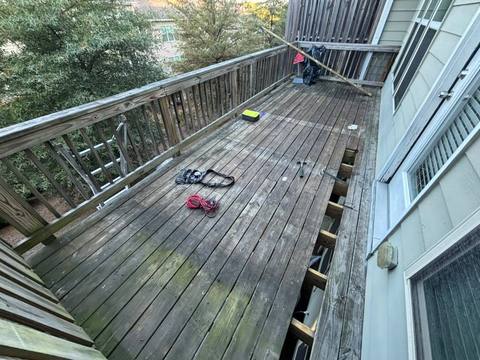
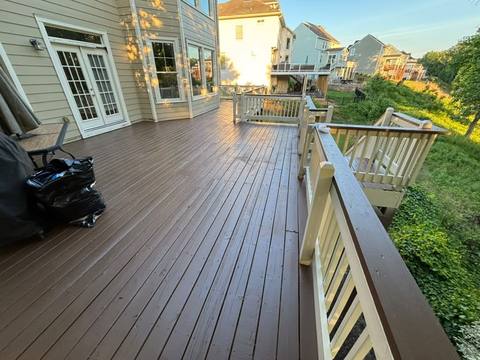
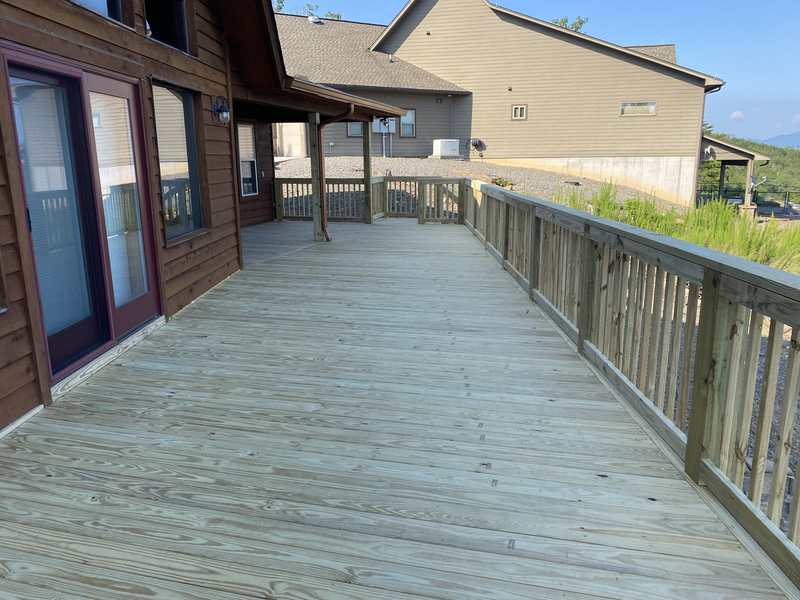
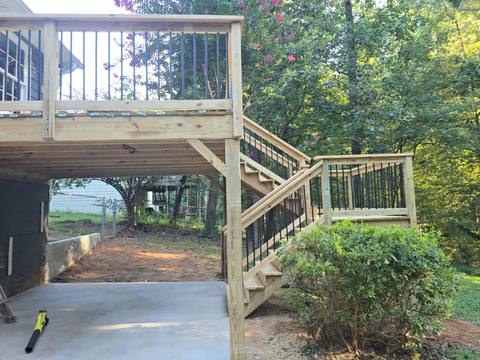
Stain or Paint? Choosing the Right Finish for a Wood Deck Stain and paint both protect a wood deck, but they work in very different ways and age very differently underfoot. Looking at foot traffic, sun and shade, and the upkeep you are willing to do makes the choice much easier.
Free estimate · opens your texting app · no forms needed
Get a fast estimate
★★★★★ 31 Google reviews as of Nov 2026 — “Great workmanship, fair pricing, and excellent customer service.” Read reviews
- Free written estimate within one day
- General liability coverage
- Crews with 10+ years of combined experience
- Owner on every job
- Text us (470) 863-3707
Comparison
Stain or Paint? Choosing the Right Finish for a Wood Deck
The right pick depends on how your deck is used, how much sun and shade it gets and how much upkeep you want to take on.
- Breno, the owner, measures and writes your estimate
- 10+ years of combined team experience
- General liability insurance
- 5.0 stars from 31 Google reviews as of Nov 2026
- Real before-and-after photos from our own jobs
Comparison
Quick Verdict by Situation
Choose stain if you like the look of wood grain, your deck sees regular foot traffic and you would rather refresh the finish with a cleaning and a new coat than scrape and sand. Penetrating stain soaks into the wood instead of forming a skin on top, so it wears away gradually instead of peeling in sheets.
Choose paint, or a solid-color coating made for decks, if you want a uniform color that matches the house trim, the boards are older and have mismatched tones, or the surface is mostly a railing or vertical trim that does not take much foot traffic. Paint can look crisp and finished, but on walking surfaces it asks for more careful maintenance.
Comparison
How Stain Holds Up
Stain comes in transparent, semi-transparent and solid versions. The more pigment it carries, the more it shields wood from sunlight, but the more it starts to behave like paint. A semi-transparent stain is a common middle ground: it adds color, shows the grain and still lets moisture move in and out of the board.
Because penetrating stain does not form a film, it rarely peels. Instead it fades, especially on the sunniest boards and on stair treads where shoes wear it down. When water stops beading on the surface or the color looks washed out, the deck is ready for cleaning and a fresh coat. That cycle is simple and predictable, which is why many homeowners prefer stain for deck floors.
How it works
Five steps. No surprises.
Call, text, or send the form
Tell us what is going on: a new deck, a repair, or “not sure yet.” We reply the same day.
Free on-site visit
Breno looks at the deck or the yard himself, measures, and goes over your options with you.
Written estimate
Scope, materials and price come in writing, so you know the plan before anything starts.
Schedule and permits
We agree on a start date and confirm any city, county or HOA requirement for your address first.
Build and final walk-through
Breno is on the job, and we go over the finished work with you before we call it done.
Real B&T work
Photos from real jobs


Real photos from B&T projects in North Georgia.
Comparison
How Paint Holds Up
Paint sits on top of the wood as a continuous film. When it is new it looks clean and even, and it hides knots, stains and old repairs. The trouble starts when moisture gets behind that film. Wood swells and shrinks with every wet and dry cycle, and on a horizontal surface that movement, plus foot traffic and standing water, can crack and lift the paint.
Once paint peels, refreshing it is more work than restaining. Loose paint has to be scraped and sanded before new coats go on, or the new layer will fail along with the old. Paint also tends to be smoother than bare or stained wood, so it can feel slick when wet unless a textured additive is used. Paint does well on railings, posts and skirting, where water runs off instead of sitting.
Comparison
Shade, Sun and Climate
North Georgia summers bring strong sun, high humidity and heavy spring pollen. A deck in full sun fades faster, which favors a finish that is easy to recoat. A deck in deep shade stays damp longer, and a film finish there can trap moisture and blister or grow mildew. Stain tends to forgive both conditions a little better because it lets the wood breathe.
If your backyard is wooded and slopes away from the house, your deck may have a sunny upper level and a shaded lower one that need different amounts of upkeep. On a deck with both sunny and shaded areas, the same finish can fade on exposed boards while damp corners need more attention to cleaning. Plan on checking the most exposed areas first each spring.
Comparison
Switching Finishes and Getting Help
Going from stain to paint is fairly easy: clean the deck, let it dry and apply a primer and paint made for exterior wood. Going from paint back to stain is much harder, because the old film has to be stripped or sanded off completely before a penetrating stain can soak in. That is worth knowing before you commit to paint on a deck floor.
We repair, restore and replace decks, railings and stairs, including replacing boards that are too damaged to hold a finish. Breno visits in person, looks at the condition of the wood and the frame and gives you a free written estimate. If your HOA reviews deck colors, check with your association before choosing a finish, since guidelines vary from one neighborhood to the next.
Get a fast estimate
Local notes
Around Canton and Ball Ground and nearby
Canton. Foot traffic, standing water and shade can affect how a finish wears, so look at the deck floor separately from the railings. During the estimate, Breno looks at the wood's condition so you can discuss repairs and preparation before choosing a finish. Compare how each finish shows wood grain, covers old repairs and wears under foot traffic.
Existing coatings. Check whether the boards have penetrating stain, paint or a solid coating before choosing the next finish. That helps you understand the preparation each option needs. A penetrating stain needs exposed wood, while loose paint needs removal before recoating.
Color choices. Transparent and semi-transparent stains show the wood grain, while paint and solid coatings cover it; compare those looks with your house trim and the condition of the existing boards. Keep the work needed for future touch-ups in mind when choosing the look. Confirm any applicable finish or color restrictions with your county or HOA before choosing.
Straight answers
Common questions
Which looks more natural on a wood deck, stain or paint?
Stain. A transparent or semi-transparent stain lets the grain show through while adding color. Paint and solid coatings cover the grain with an even, opaque layer, which looks tidy but no longer reads as natural wood.
Why does paint peel on deck floors more than on railings?
Deck floors hold water, take foot traffic and swell and shrink with every rain. That movement cracks a paint film and lets moisture get behind it. Railings shed water and see little wear, so paint lasts better there.
Is a painted deck more slippery when wet?
It can be. Paint forms a smoother surface than stained wood, so it may feel slick after rain. A textured additive mixed into the topcoat helps. Stain leaves more of the wood texture exposed.
Can I put stain over a deck that was painted before?
Not directly. Penetrating stain needs bare wood to soak into, so the paint has to be stripped or sanded off first. That is a big job, which is why the choice to paint a deck floor deserves careful thought.
Which finish is easier to keep up over time?
For most deck floors, stain. When it fades you clean the deck and apply a new coat. Paint usually needs scraping, sanding and priming of any failed areas before recoating, which takes more time.
Does a shaded deck do better with stain or paint?
Stain usually holds up better in damp shade because it lets moisture escape from the wood. A paint film in a shaded, humid spot can trap moisture and blister or grow mildew.
Should boards be repaired before I refinish the deck?
Yes. Soft, split or badly cupped boards will not hold any finish well. Replacing them first gives the new stain or paint a sound surface. Breno can point out which boards need replacing during his visit.
Verified Google reviews
What the neighbors are saying
These are verified Google reviews from B&T customers.
★★★★★
“Breno did an excellent job repairing my home. He was professional, reliable, and paid close attention to every detail. The quality of his work exceeded my expectations…”
★★★★★
“Breno and his team exceeded our expectations. They were organized, efficient, and truly cared about delivering a high-quality result. We couldn't be happier.”
Who’s doing the work
About B&T Properties
B&T Properties is run by Breno, who visits the job, writes the estimate and stays involved until the work is done. The crew has 10+ years of combined deck experience, and the company carries General Liability insurance. We work in Canton and across Cherokee County.
Upgrades
Add-ons to consider
Ask about any of these when Breno comes out for your free estimate. They are easiest to price in when we plan the project, not after it is built.
Composite decking
Low-maintenance boards in a range of colors, priced next to wood so you can compare.
Multi-level layouts
Step down a sloped yard with separate levels for dining and lounging.
Cover or screens
Add a roof over part of the deck, or screen it in for shade and fewer bugs.
Lighting
Stair and post lights that make evenings outside safer and nicer.
Written warranty
1-year workmanship warranty
B&T Properties warrants our workmanship for one year from completion and fixes failures caused by our work at no charge. Not covered: material defects (manufacturer warranty), normal wear, weather, misuse, lack of maintenance, or work by others. Claims in writing.
Free written estimate
Ask Breno about your deck — free and in writing.
No call center, no sales rep — the person who answers is the person who does the work.