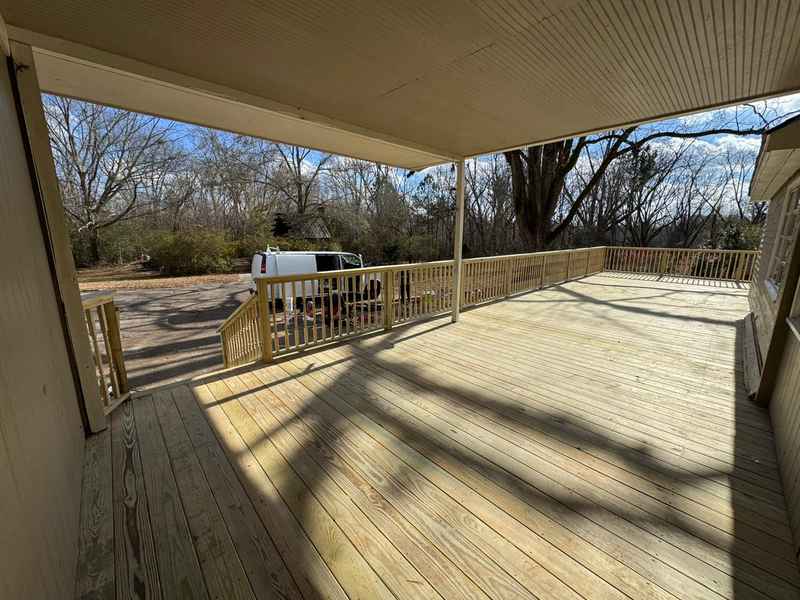
Owner-operated · Homeowner guide · Canton
How a Sloped, Red-Clay Yard Changes a Deck in Canton, GACanton · Cherokee County
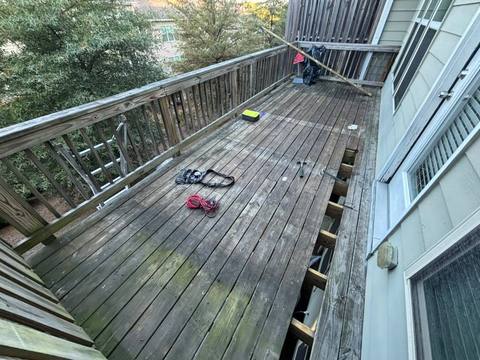
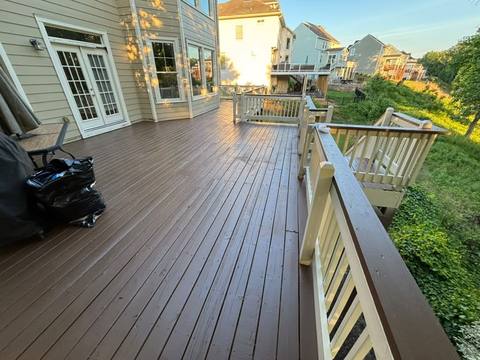
Canton: Canton sits in the rolling Piedmont foothills, so plenty of backyards fall away from the house instead of running flat. Owner-operated, with a free written estimate.
Free estimate · opens your texting app · no forms needed
Get a fast estimate
★★★★★ 31 Google reviews as of Nov 2026 — “Great workmanship, fair pricing, and excellent customer service.” Read reviews
- Free written estimate within one day
- General liability coverage
- Crews with 10+ years of combined experience
- Owner on every job
- Text us (470) 863-3707
Homeowner guide · Canton
How does a sloped, red-clay yard change a deck?
Here is how that slope and the red clay beneath it shape the way a deck is framed, drained and reached.
- Breno, the owner, measures and writes your estimate
- 10+ years of combined team experience
- General liability insurance
- 5.0 stars from 31 Google reviews as of Nov 2026
- Real before-and-after photos from our own jobs
Canton
Why does the slope matter so much for a deck?
A flat yard lets a deck sit low and simple. A sloped yard takes that simplicity away. When the ground falls away from the back door, the deck has to reach out over open space, and the height under the far edge is set by the hill, not by what we would like. Around Canton, in the rolling Piedmont foothills of North Georgia, plenty of backyards step down from the house. That is why we say the grade decides the design. Before we talk about boards or railings, we look at how the ground moves, because everything else follows from that.
Taller posts are the first change you will notice. On a slope, the posts on the downhill side are longer than the posts near the house, and that changes the framing, the bracing, and how the whole structure feels when you walk on it. Homes in the Hickory Flat area and homes close to historic downtown Canton can have very different lots, so we never assume. Breno walks the yard in person, looks at where the ground drops, and sketches the deck around that fall. A drawing made without seeing the slope often has to be redone once the real ground shows up.
Canton
What does red clay do to footings and posts?
Red clay is familiar across North Georgia. Dry, it can feel as hard as a brick. Wet, it turns slick and heavy, and it tends to hold water instead of letting it drain away. A deck footing sits in that soil and carries the load of everything above it, so how the clay behaves matters. On a slope, clay can also creep downhill slowly over time, especially after heavy rain. A footing placed without thinking about that movement can settle or lean. We plan footings for the ground we actually find, not the ground we hoped for.
Extra footings often come with a sloped yard because taller posts need more support and more bracing to stay steady. A tall post that is not tied in well can sway, and a deck that sways feels unsafe even when it is not in danger of falling. We set footings so they reach firm ground below the loose surface soil, and we pay attention to what lies uphill and downhill of each one. If you have seen an older deck that leans or bounces, the footings and the soil under them are often part of the story. Repair and replacement work starts there too.
How it works
Five steps. No surprises.
Call, text, or send the form
Tell us what is going on: a new deck, a repair, or “not sure yet.” We reply the same day.
Free on-site visit
Breno looks at the deck or the yard himself, measures, and goes over your options with you.
Written estimate
Scope, materials and price come in writing, so you know the plan before anything starts.
Schedule and permits
We agree on a start date and confirm any city, county or HOA requirement for your address first.
Build and final walk-through
Breno is on the job, and we go over the finished work with you before we call it done.
Real B&T work
Photos from real jobs


Real photos from B&T projects in North Georgia, not necessarily from Canton.
Canton
How does drainage change on a hillside lot?
Water is the quiet enemy on a hillside. Rain runs downhill, and it will run toward, under or around a deck if nothing guides it. Clay slows soaking, so water tends to sheet across the surface and carry soil with it. That can wash out the ground around a footing and leave it exposed. When we look at a yard, we watch where water comes off the roof, where it gathers, and where it leaves. A deck should never become a dam. Sometimes the answer is as simple as keeping the space under the deck open so water can pass.
Drainage also affects the wood. Boards and framing that stay damp tend to rot sooner, and a deck with poor airflow underneath can hold moisture for a long time. Open space helps the structure dry, and grading or gravel in the right spot can help steer runoff away from posts. Near wooded lots and creeks, stream buffers and tree rules can also affect what is allowed, so we check your parcel as part of the free estimate. Staining and sealing help wood shed water, but they cannot fix a yard that floods its own footings.
Canton
How do stairs and landings work on a slope?
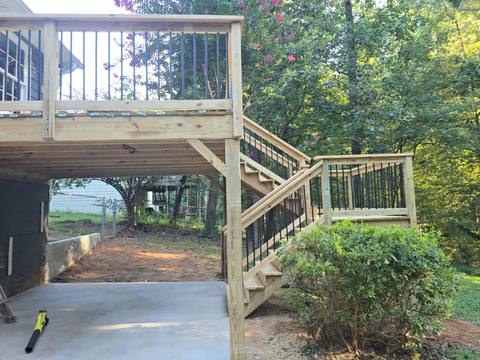
Stairs are where a slope shows up most. A deck that sits high on the downhill side needs a longer run of steps to reach the ground, and the ground itself may keep falling past where the stairs would naturally end. Instead of one long flight, we often build a landing partway down, which breaks the climb into shorter runs and gives you a place to pause. A landing also gives the stairs a firm spot to turn, which can help them fit the yard instead of cutting straight across the lawn or a garden bed.
Landings need their own footings, and they need stable ground, which is harder to find on clay that stays soft after rain. We think about where the stairs will end at the bottom, too, because a step that lands in mud is a problem every wet week. Railings along stairs and landings matter more as the drop grows. Everyone from kids to grandparents uses these steps, so we build them to feel steady underfoot and easy to grip. The stairs are worked out alongside the deck, never added as an afterthought.
Get a fast estimate
Canton
What should I check before building on a slope in Canton?
Start with who handles your permit. The City of Canton runs its own building and permitting office, while addresses outside the city limits fall under Cherokee County, so the right office depends on your exact address. Confirm it with the city or county before work is scheduled, and we will help you sort it out. If your home is in an HOA community, such as Great Sky, ask the association about architectural review early, because plans and approval can affect your timeline. Rules depend on the address, so please confirm rather than assume.
Then think about where the deck can go. Setbacks, stream buffers and tree rules can affect placement, especially on wooded lots near creeks, and a slope can make those limits matter more. We check what applies to your parcel as part of the free written estimate instead of leaving you to find out at inspection.
Straight answers
Canton homeowner questions
Can a deck be built on a steep backyard in Canton?
Often, yes. Sloped yards are common in the Piedmont foothills, and a deck can be framed to follow the ground with taller posts, added bracing and stairs that step down in stages. What matters is how firm the soil is, where water runs, and what local rules allow for your parcel. Breno looks at the yard in person first.
Why do the posts look so tall on a hillside deck?
The deck surface stays roughly level while the ground drops away beneath it, so the posts on the downhill side have to be longer to reach the earth. That extra height is why bracing and solid support matter more on a slope. A taller deck also tends to call for sturdier railings and longer stairs.
Will red clay make my deck sink or shift?
It can if the footings are not planned well. Clay holds water, softens after heavy rain, and can creep slowly downhill on a slope. Footings set into firm ground below the loose surface soil, with water steered away from them, tend to stay steadier. We look at the soil and the drainage together before we build.
Do I need a landing partway down the deck stairs?
Not always, but a landing is common when the deck sits high above the ground. It breaks a long climb into shorter runs, gives you a place to pause, and lets the stairs turn to fit the yard. We decide after seeing how far the ground falls and where the steps should end.
How do you keep water from pooling under a sloped deck?
We watch how rain moves across your yard and keep the space under the deck open so water can pass instead of collecting. Grading or gravel in the right spot can steer runoff away from posts. Clean gutters and downspouts that empty well away from the deck also help keep the ground and framing drier.
Can an older deck on a slope be repaired instead of replaced?
Sometimes. If the posts, footings and main framing are still sound, we can often repair boards, rails and stairs. If posts lean, footings have shifted or wood has rotted in the structure, replacement can make more sense. Breno inspects it in person and explains both options in a free written estimate.
Who do I ask about a permit for a deck on a sloped lot?
It depends on your exact address. The City of Canton has its own building and permitting office, while addresses outside the city limits fall under Cherokee County. Confirm with the city or county which office applies to you. We sort that out with you before any work is scheduled, so nothing is left to chance.
Does an HOA affect a deck on a hillside lot?
If your home is in an HOA community, the association may review exterior changes, and a taller or stair-heavy deck on a slope can be part of that review. Rules depend on your community, so ask the association what it needs. Tell us at the start so plans and approval fit into the timeline.
Verified Google reviews
What the neighbors are saying
These are verified Google reviews from B&T customers.
★★★★★
“If you're looking for a trustworthy contractor, B&T Properties is the right choice. Great workmanship, fair pricing, and excellent customer service.”
★★★★★
“Breno and his team exceeded our expectations. They were organized, efficient, and truly cared about delivering a high-quality result. We couldn't be happier.”
Who’s doing the work
About B&T Properties
Owner-operated by Breno. Collectively, our team brings 10+ years of deck-building experience, and B&T Properties carries General Liability insurance. Serving Canton and the rest of Cherokee County.
Upgrades
Upgrades worth asking about
Planning a project in Canton? Bring up any of these at your free estimate. Changes are easier to plan on paper than on a finished deck.
Multi-level layouts
Two levels can follow your slope and give dining and lounging their own space.
Lighting
Soft LED lighting along the steps and rail, so the deck is usable after dark.
Railing styles
Pick the rail that fits the house: aluminum, composite or wood, in several styles.
Composite decking
Boards that resist rot and skip the yearly stain. Worth pricing in at the start.
Written warranty
1-year workmanship warranty
Workmanship warranty: one year from the day we complete the work, in writing. Faults that come from our labor are repaired at no charge. Not included: manufacturer material defects, normal wear and tear, weather, misuse, no maintenance, repairs by other parties. Submit claims in writing.
Free written estimate
Tell Breno about your Canton deck — free and in writing.
No call center, no sales rep — the person who answers is the person who does the work.