Owner-operated · Homeowner guide · Alpharetta
Why Is My Alpharetta Deck Always Damp, Slick or Soft?Alpharetta · Fulton County
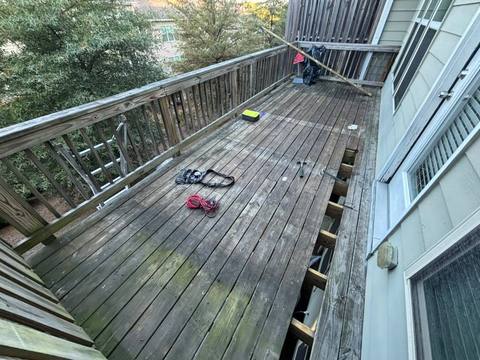
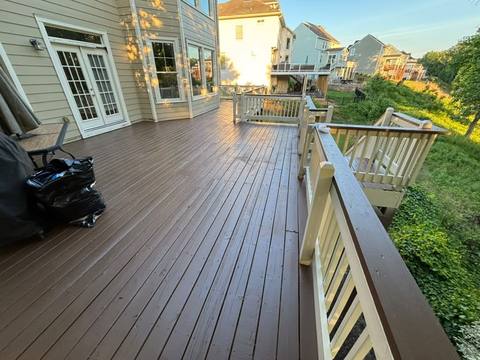
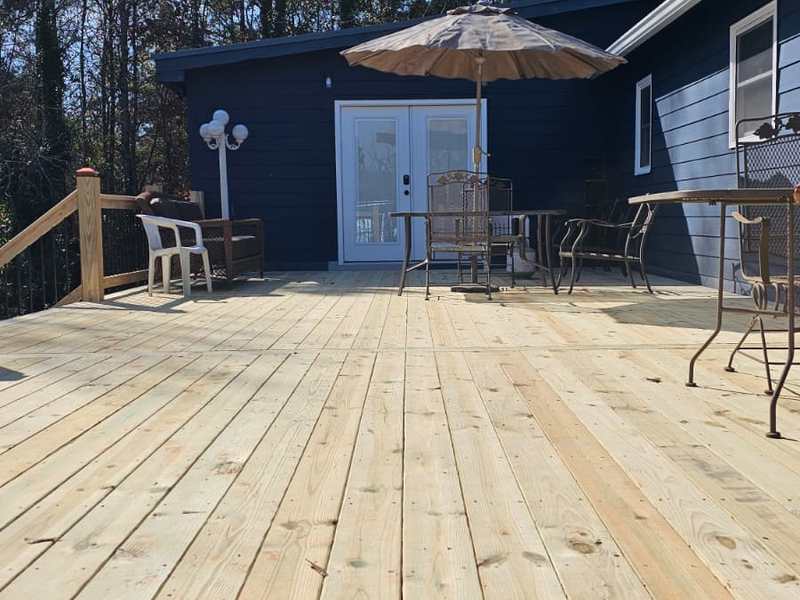
Alpharetta: You step out with your coffee on a sunny morning, and your socks pick up moisture from boards that should have dried hours ago. Owner-operated, with a free written estimate.
Free estimate · opens your texting app · no forms needed
Get a fast estimate
★★★★★ 31 Google reviews as of Nov 2026 — “Great workmanship, fair pricing, and excellent customer service.” Read reviews
- Free written estimate within one day
- General liability coverage
- Crews with 10+ years of combined experience
- Owner on every job
- Text us (470) 863-3707
Homeowner guide · Alpharetta
Why is my deck always damp, slick or soft?
Why is my deck always damp, slick or soft, and is it just an annoyance or a sign that something needs repair?
- Owner-operated: Breno visits and writes your estimate himself
- A team with 10+ years of combined experience
- Insured with general liability coverage
- 31 Google reviews as of Nov 2026, rated 5.0
- Before-and-after photos from our own completed jobs
Alpharetta
Shade keeps boards wet long after the rain stops
Alpharetta yards are full of tall trees, and that shade is lovely in July. It also means a deck may only see direct sun for a short stretch of the day, if at all. Wood dries from the surface, and without sun and moving air it can stay damp well into the next day. Homes around Windward and Broadlands often have mature canopy over the back of the house, which is exactly where decks tend to sit. Damp wood grows algae and mildew, and that thin film is what makes a deck feel slick underfoot.
Shade alone does not ruin a deck, but it changes how you should care for it. A deck that gets little sun needs cleaning more often than one in an open yard, and it needs a protective finish that is kept up. When the finish wears thin, bare wood soaks up water like a sponge and holds it. If the dampness is limited to the shadiest corner, trimming back a few branches can help a great deal. If every board is damp all day, the problem is usually bigger than shade.
Alpharetta
Leaves, pollen and debris act like a wet blanket
A single layer of wet leaves can keep a board soaked for days. Leaves, pine needles, pollen and seed pods settle into the gaps between boards and pack down into a mat. That mat holds water against the wood, feeds mildew and gives moss somewhere to take root. Homeowners near Old Milton Parkway and along Webb Bridge Road often tell us the deck looks clean from the chair, yet the gaps are packed solid underneath the surface. Sweeping the top is not enough, because the real trouble sits in those narrow spaces.
Clearing the gaps is simple, and it is one of the most useful habits a deck owner can have. A stiff brush or a thin scraper run along each gap pulls out the packed material so water can drain through. Do this after the main leaf drop in autumn and again in spring. Look at the debris you pull out. If it is dark, mushy and smells earthy, the wood next to it has been wet a long time and deserves a close look with a screwdriver tip.
How it works
Five steps. No surprises.
Call, text, or send the form
Tell us what is going on: a new deck, a repair, or “not sure yet.” We reply the same day.
Free on-site visit
Breno looks at the deck or the yard himself, measures, and goes over your options with you.
Written estimate
Scope, materials and price come in writing, so you know the plan before anything starts.
Schedule and permits
We agree on a start date and confirm any city, county or HOA requirement for your address first.
Build and final walk-through
Breno is on the job, and we go over the finished work with you before we call it done.
Real B&T work
Photos from real jobs


Real photos from B&T projects in North Georgia, not necessarily from Alpharetta.
Alpharetta
Water trapped at board ends and between boards
Water does not soak evenly into a deck board. The ends are the thirstiest part, because the grain is open there like a bundle of straws. Where two boards meet end to end, or where a board runs into a post or rail, water sits in the tight joint and stays. Fasteners are another weak spot, since a screw head that sits in a small dent collects a drop of water every time it rains. Those small wet spots are often where soft, dark patches show up first, long before the rest of the deck looks tired.
You can check these places yourself. Press a screwdriver tip gently into a board end and into the wood beside a fastener. Sound wood resists and pushes back. Rotting wood gives way, crumbles or feels like damp cardboard. A board with a soft end but a firm middle can often be replaced alone. Sealing cut ends during the build and keeping a small gap between boards both help, which is something we pay attention to whenever we install or replace decking.
Alpharetta
Where the deck meets the house and what lies underneath
The place where a deck attaches to the house is the most important spot to watch. Rain runs down the siding, lands on the ledger area and can sit behind the board that carries the deck. Without proper flashing, that water works into the framing and the wall. Signs include dark staining along the house, a musty smell near the door threshold, or boards close to the wall that feel spongy while the rest feel solid. Repairs here are structural, so please do not treat them as a cosmetic job.
Look below the deck too. Alpharetta lots have moderate slopes, and ground that tilts toward the house can send runoff straight under the deck. Soil that stays soggy, standing puddles and thick weeds under the boards all keep humid air trapped around the framing. That slows drying from underneath and rots joists from below. Good airflow, soil that sheds water away from the foundation, and clear space under the deck all matter.
Get a fast estimate
Alpharetta
What is cosmetic and what means repair
Some problems are surface only. A green or gray film, dull color, light mildew and mild slickness in shade are usually cosmetic. A careful cleaning, a rinse and a fresh finish often bring those boards back. Small cracks along the grain, called checking, are normal in weathered wood and do not mean the deck is failing. If a board is firm, holds a screw tight and does not flex, you are likely looking at a maintenance job rather than a repair job.
Repair is a different matter. Boards that are soft, crumbly or spongy, joists that give when pressed, a wobbly rail, stairs that bounce, and any softness near the house all call for attention. Rot that has reached framing can spread and make the whole structure unsafe. When we visit, Breno looks at the boards, the framing, the attachment to the house and the drainage below, then explains in plain language what can wait and what cannot. We give free written estimates, so you can see what is cosmetic and what is not before deciding anything.
Straight answers
Alpharetta homeowner questions
How can I tell if a soft deck board is only surface damage or rotted deeper?
Press a screwdriver tip into the soft spot. If it sinks in easily or the wood crumbles away in pieces, the rot is deeper than the surface. Check the underside and the framing as well. A board that is only dull or stained on top, yet solid underneath, is usually cosmetic and can be cleaned and refinished.
Will pressure washing fix a green, slippery deck in Alpharetta?
It can remove the film, but a harsh spray can also scar the wood, raise the grain and drive water deeper. Gentle cleaning with a deck cleaner and a soft brush is usually safer. Cleaning only helps for a while if shade and packed gaps keep the boards wet, so follow it with a finish.
Is it fine to leave fallen leaves on my deck until the trees are bare?
It is better not to. Wet leaves hold moisture against the boards and feed mildew, and they can stain the surface. Sweep often during the heavy drop, and clear the gaps with a thin scraper. Leaves left through a damp stretch are a common reason boards stay slick and begin to soften.
Why does the area right next to my house feel softer than the rest of the deck?
Water often runs down the wall and collects where the deck attaches, especially if flashing is missing or has failed. That keeps the ledger area wet and can rot the framing behind the boards. Softness along the wall should be inspected promptly, because it can affect how the deck is held to the house.
Does the ground underneath my deck really matter for drainage?
Yes. If the soil under the deck stays wet, humid air rises into the framing and keeps boards damp from below. Ground that slopes toward the house, standing puddles and heavy plant growth all make it worse. Improving runoff and airflow underneath can slow rot, and sometimes it is the key part of the fix.
Do I need a permit or HOA approval to replace rotted boards or repair my deck?
It depends on your address and the scope of the work. The City of Alpharetta handles permits through its portal, and your homeowners association may have its own review. Please confirm with the city, county or association before work starts. Tell us your neighborhood early, and we will plan the timeline with you.
How often should a shaded deck be cleaned and refinished?
There is no single schedule. A deck under heavy tree cover often needs cleaning once a year and a fresh finish when water stops beading on the surface. Watch for dark patches, a slick film and wear along walking paths. Those signs tell you more than the calendar does.
Can you replace just the bad boards, or does the whole deck have to go?
Often the bad boards can be replaced alone, as long as the framing is sound and the attachment to the house is solid. If rot has spread into joists, posts or the ledger area, a larger repair or replacement may make more sense. Breno visits in person and gives a free written estimate.
Verified Google reviews
What the neighbors are saying
These are verified Google reviews from B&T customers.
★★★★★
“Breno F. is an incredible man. He helped my aging mother when no one else would and went the extra mile with a complex home repair. His work is meticulous and his follow through is commendable. He is a good man with a great heart. Highly recommended!”
★★★★★
“Breno did an excellent job repairing my home. He was professional, reliable, and paid close attention to every detail. The quality of his work exceeded my expectations…”
Who’s doing the work
About B&T Properties
Owner-operated by Breno. Collectively, our team brings 10+ years of deck-building experience, and B&T Properties carries General Liability insurance. Serving Alpharetta and the rest of Fulton County.
Upgrades
Make it yours: popular upgrades
Ask about any of these when Breno comes out for your free estimate. They are easiest to price in when we plan the project, not after it is built.
Stairs and landings
A better way down to the yard, with extra width, a landing or a second flight.
Lighting
Stair and post lights that make evenings outside safer and nicer.
Railing styles
Railing is what you see first, so we go over the options before the estimate is final.
Cover or screens
Shade, rain cover or screens, planned in from the start.
Written warranty
1-year workmanship warranty
B&T Properties warrants our workmanship for one year from completion and fixes failures caused by our work at no charge. Not covered: material defects (manufacturer warranty), normal wear, weather, misuse, lack of maintenance, or work by others. Claims in writing.
Free written estimate
Tell Breno about your Alpharetta deck — free and in writing.
No call center, no sales rep — the person who answers is the person who does the work.