Owner-operated · Comparison
Composite vs Pressure‑Treated Decking: What You Need to KnowComparison · Georgia decks
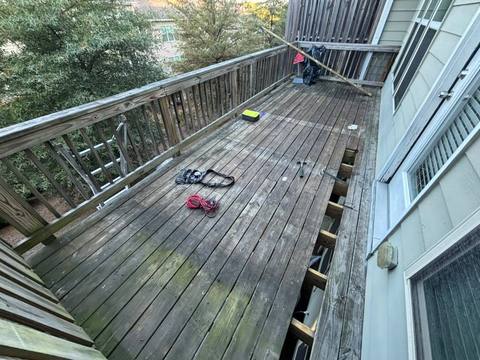
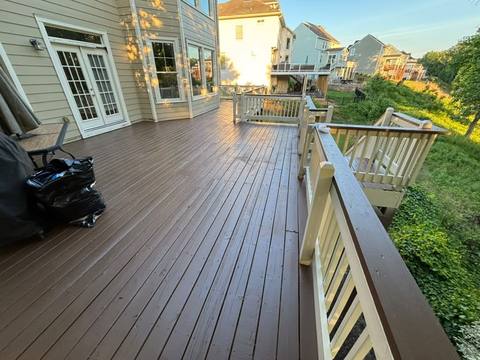
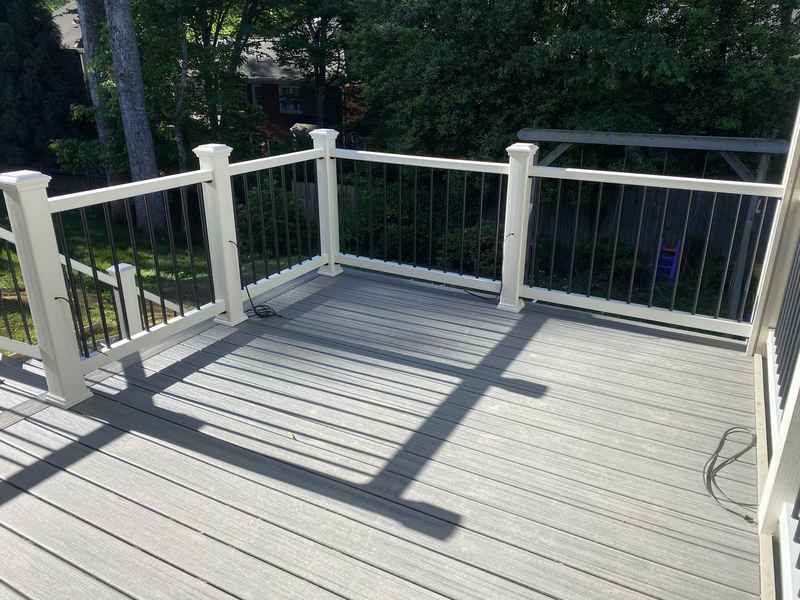
Composite vs Pressure‑Treated Decking: What You Need to Know When planning a new deck, homeowners often compare two popular options: composite boards made from recycled fibers and plastic, and pressure-treated lumber that’s been infused with preservatives to resist rot and insects.
Free estimate · opens your texting app · no forms needed
Get a fast estimate
★★★★★ 31 Google reviews as of Nov 2026 — “Great workmanship, fair pricing, and excellent customer service.” Read reviews
- Free written estimate within one day
- General liability coverage
- Crews with 10+ years of combined experience
- Owner on every job
- Text us (470) 863-3707
Comparison
Composite vs Pressure‑Treated Decking: What You Need to Know
This comparison sets low-maintenance composite boards beside traditional treated lumber, covering how each looks, feels and ages outdoors so you can match the material to your habits and your tolerance for upkeep.
- Breno, the owner, measures and writes your estimate
- 10+ years of combined team experience
- General liability insurance
- 5.0 stars from 31 Google reviews as of Nov 2026
- Real before-and-after photos from our own jobs
Pressure-treated lumber and composite boards represent two different philosophies. Treated lumber is wood infused with preservatives, familiar, repairable, and a lower starting investment, but it asks for cleaning and refinishing and can check, cup or splinter as it weathers. Composite combines wood fibers and plastic into a board that resists rot and does not need staining, though it can feel warmer underfoot in direct sun and shows scratches differently. In Georgia, where humidity is high and shade is common, the difference in maintenance shows up quickly.
The structure underneath matters as much as the surface. Either board sits on framing that is typically pressure-treated, so a deck lasts only as long as its joists, ledger and footings. Consider your site: a shaded lot under oaks invites mildew on either surface, while a sunny lot tests color stability. Check what your association approves, ask how boards are fastened and spaced, and compare the actual care schedule you are willing to follow with what each material needs. A sound plan matches the material to your habits.
Comparison
What Are Composite and Pressure‑Treated Decking?
Both materials can create a solid, attractive outdoor space, but they differ in appearance, feel, and long-term upkeep. Understanding the basics of each helps you weigh what matters most for your lifestyle, budget, and the look you want for your Canton-area home today.
Comparison
How Each Material Performs Over Time
For a low-maintenance surface that stays smooth under bare feet, composite often wins, especially if you dislike staining or sealing. Pressure-treated wood offers a classic grain and can handle heavy foot traffic, but it may warp or splinter as it ages in the Georgia sun.
In shaded yards, wood tends to hold its color longer, while in full sun composites resist fading better. Think about how much time you want to spend on upkeep versus the natural look you prefer when deciding which material fits your deck’s purpose.
How it works
Five steps. No surprises.
Call, text, or send the form
Tell us what is going on: a new deck, a repair, or “not sure yet.” We reply the same day.
Free on-site visit
Breno looks at the deck or the yard himself, measures, and goes over your options with you.
Written estimate
Scope, materials and price come in writing, so you know the plan before anything starts.
Schedule and permits
We agree on a start date and confirm any city, county or HOA requirement for your address first.
Build and final walk-through
Breno is on the job, and we go over the finished work with you before we call it done.
Real B&T work
Photos from real jobs


Real photos from B&T projects in North Georgia.
Comparison
Choosing the Right Deck for Georgia Weather and B&T’s Process
Both decks need care, but the type differs. Composite only requires occasional washing with soap and water to remove pollen and dirt, while pressure-treated boards benefit from an annual cleaning and a light sealant to slow moisture absorption in humid summers.
In Georgia’s heat and high pollen, composite resists staining and stays cooler underfoot, whereas wood may need more frequent attention to prevent mildew. B&T serves Cherokee, Cobb, North Fulton and Cumming, provides free estimates, and can help you pick the right material. Text us or request your free estimate today.
Comparison
Areas Served and Local Georgia Conditions
The region’s high humidity, intense summer sun and seasonal pollen can affect finishes and wood stability over time. Understanding these local conditions helps us recommend materials and techniques that stand up to the weather while keeping your outdoor space looking fresh and welcoming.
Comparison
From Estimate to Completion
When you reach out, we schedule a free estimate at your convenience, walk through your ideas, measure the space and discuss material options that suit Georgia’s heat, humidity and pollen. We stay in touch throughout the process, answering questions and updating you on progress. Text us or request a free estimate today to start your project.
Get a fast estimate
Local notes
Around Canton and Woodstock and nearby
Canton. Many Canton subdivisions, BridgeMill and Great Sky among them, are HOA communities with architectural review for exterior changes. If yours is one, tell us at the start so plans and approval fit into the timeline. Communities in the area include BridgeMill, Great Sky, Laurel Canyon, River Green.
Woodstock. Woodstock's city code includes a tree ordinance and references 50-foot and 25-foot stream buffers that are meant to stay undisturbed, so a creek or large tree near the planned footprint can shape the layout. We look at that before pricing. Communities in the area include Towne Lake, Eagle Watch, Wyngate, Bradshaw Farm.
Ball Ground. Some Ball Ground subdivisions have HOAs, and older in-town and rural properties often do not. We ask up front so approval time does not surprise you. Communities in the area include Hawks Ridge, historic downtown Ball Ground.
Straight answers
Common questions
What are the main differences in appearance between composite and pressure-treated wood decking?
Composite decking offers a uniform color and texture that mimics wood grain without knots or splinters, while pressure-treated wood shows natural grain, knots, and can vary in shade; both can be stained or painted, but composite holds its look longer with less fading.
How does each material handle moisture and rot in Georgia's humid climate?
Pressure-treated wood is chemically treated to resist rot and insect damage, but prolonged moisture can still cause swelling or warping if not sealed; composite boards are engineered to resist moisture absorption, so they rarely rot, swell, or warp even with constant humidity.
Which material stands up better to Georgia's intense sun and UV exposure?
Composite decking contains UV inhibitors that help prevent fading and surface wear under strong sun; pressure-treated wood can fade and gray over time unless it is stained or painted with a UV-blocking finish, which needs renewal periodically.
How do pollen and debris affect each decking type in the spring?
Pollen can sit on the surface of both materials; on pressure-treated wood it may stick to the grain and require brushing or washing to avoid staining, while composite’s smooth, non-porous surface lets pollen rinse away easily with a hose or light scrub.
What should I consider when choosing between the two for a new deck in Cherokee, Cobb, North Fulton or Cumming, and how can I get started?
Consider your preferred look, maintenance willingness, and exposure to sun, rain, and pollen; composite offers low upkeep and steady appearance, while pressure-treated wood gives a classic feel with more care. B&T builds in Cherokee, Cobb, North Fulton and Cumming and offers free estimates—text us or request a free estimate today.
Verified Google reviews
What the neighbors are saying
These are verified Google reviews from B&T customers.
★★★★★
“Breno F. is an incredible man. He helped my aging mother when no one else would and went the extra mile with a complex home repair. His work is meticulous and his follow through is commendable. He is a good man with a great heart. Highly recommended!”
★★★★★
“If you're looking for a trustworthy contractor, B&T Properties is the right choice. Great workmanship, fair pricing, and excellent customer service.”
Who’s doing the work
About B&T Properties
You deal with the owner. Breno visits, quotes and oversees the work, and the crew brings more than ten years of deck experience between them. B&T carries General Liability insurance, and Canton is part of our regular service area.
Upgrades
Make it yours: popular upgrades
Planning a project in Canton? Bring up any of these at your free estimate. Changes are easier to plan on paper than on a finished deck.
Railing styles
Aluminum, composite or wood railing, from classic balusters to a cleaner, low-profile look.
Lighting
Low-voltage LED lights on stairs, posts or under the rail cap for evenings outside.
Composite decking
A surface with no sanding, sealing or yearly staining to keep up with.
Cover or screens
Add a roof over part of the deck, or screen it in for shade and fewer bugs.
Service area
Cities we serve
Written warranty
1-year workmanship warranty
Our labor carries a written one-year warranty counted from the finish date: if our workmanship is the cause, we repair it free. The warranty excludes faulty materials (the maker’s warranty applies), ordinary wear, storm damage, misuse, skipped upkeep and other contractors’ work. Send claims in writing.
Free written estimate
Ask Breno about your deck — free and in writing.
No call center, no sales rep — the person who answers is the person who does the work.