Owner-operated · Homeowner guide
What Flooring Works Best on a Screened Porch?Homeowner guide · Georgia decks
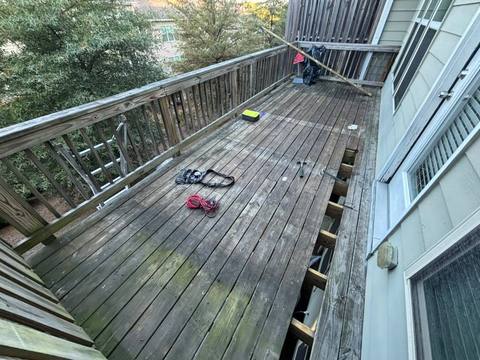
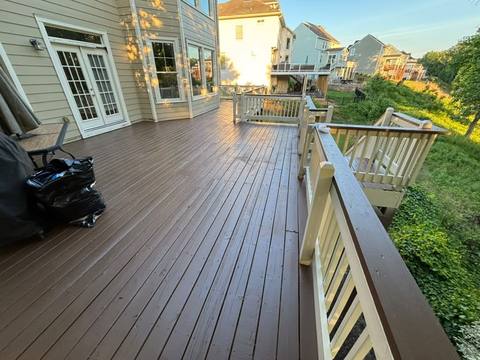
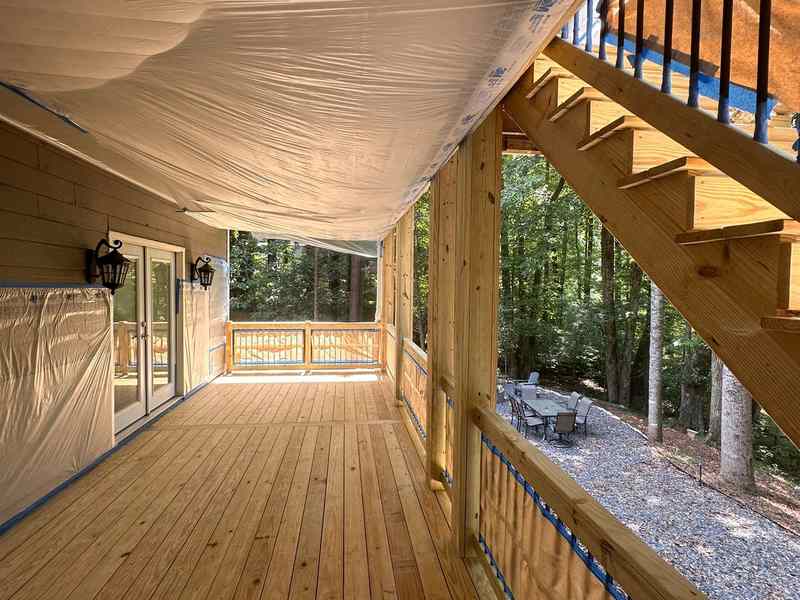
What Flooring Works Best on a Screened Porch? Wood boards, composite boards, a concrete slab and outdoor-rated tile all work on a screened porch.
Free estimate · opens your texting app · no forms needed
Get a fast estimate
★★★★★ 31 Google reviews as of Nov 2026 — “Great workmanship, fair pricing, and excellent customer service.” Read reviews
- Free written estimate within one day
- General liability coverage
- Crews with 10+ years of combined experience
- Owner on every job
- Text us (470) 863-3707
Homeowner guide
What Flooring Works Best on a Screened Porch?
Short answer: The right one depends on how much rain blows in, how the floor drains, how much sun it gets and how much upkeep you want to do.
- Breno, the owner, measures and writes your estimate
- 10+ years of combined team experience
- General liability insurance
- 5.0 stars from 31 Google reviews as of Nov 2026
- Real before-and-after photos from our own jobs
Guide
Does a screened porch floor still get wet?
Yes, more than most people expect. A screen keeps out bugs and leaves, but it does not stop wind-driven rain, and water often blows in sideways during a Georgia thunderstorm. Pollen settles on everything in spring, and humidity keeps surfaces damp long after the rain stops. So judge a porch floor like an outdoor floor, not an indoor one. Look at where your porch gets wet, how the floor sheds water and how much sun reaches it. Homes around Pinetree Country Club with mature shade trees may see slower drying than open lots.
Drainage matters as much as the surface you pick. A floor that holds puddles invites slippery algae, staining and, with wood, rot. Wood and composite boards need gaps between them and open air underneath, so water can fall through and the framing can dry. Slabs and tile need a slight slope away from the house, set during the build. Heat is the other factor. Dark surfaces in direct afternoon sun can feel hot on bare feet. A roof and screens soften that, but a porch facing west still warms up.
Guide
Is real wood a good porch floor?
Wood is the traditional choice, and it looks warm and natural. Pressure-treated boards are common on porch floors because they resist rot and insects when installed correctly. Cedar and some hardwoods look richer and tend to hold up well, though they usually need more attention. Wood feels comfortable underfoot and stays cooler than many hard surfaces. Its weakness is moisture. Boards that stay wet can cup, split, grow mildew and turn slick with algae. A roof overhead and screens on the sides help a lot, but the edges where rain blows in still take a beating.
Slip resistance on wood is decent when the surface is clean and dry, and poor once a green film builds up. Regular sweeping and a gentle wash keep that in check. Staining or sealing the boards helps them shed water, though the finish has to be refreshed as it wears. Boards also need proper spacing and fasteners, and the framing underneath should not trap moisture. If you love real wood and do not mind seasonal upkeep, it can be a great porch floor. If you want to forget about it, another material may suit you better.
How it works
Five steps. No surprises.
Call, text, or send the form
Tell us what is going on: a new deck, a repair, or “not sure yet.” We reply the same day.
Free on-site visit
Breno looks at the deck or the yard himself, measures, and goes over your options with you.
Written estimate
Scope, materials and price come in writing, so you know the plan before anything starts.
Schedule and permits
We agree on a start date and confirm any city, county or HOA requirement for your address first.
Build and final walk-through
Breno is on the job, and we go over the finished work with you before we call it done.
Real B&T work
Photos from real jobs


Real photos from B&T projects in North Georgia.
Guide
Are composite boards worth it on a screened porch?
Composite boards blend wood fibers and plastic, and they are popular on screened porches because they do not rot, splinter or need staining. They install much like wood boards, with gaps and framing underneath, so water drains through. Most composite surfaces have a textured grain that gives reasonable traction when wet, though it varies from board to board, so touch a sample before you decide. They resist insects and hold their color fairly well. Cleaning is usually soap, water and a soft brush, which suits a porch that collects pollen every spring.
The tradeoffs are heat and appearance. Darker boards can get hot in direct sun, and some expand and contract noticeably with temperature swings, so installation details matter. Mildew can still grow in shaded, damp spots, so occasional washing is still needed. Composite usually costs more up front than basic wood, and it does not look exactly like real timber. On the other hand, it can cut upkeep a great deal. Ask to see a sample outside in the sun before choosing a color.
Guide
What about a concrete slab or tile?
A concrete slab is durable and solid, and it can be a good base for a porch built close to the ground. It does not rot, and it can be sloped to drain. Bare concrete can feel cold, hard and plain, and it can turn slick when wet or covered with algae, so a broom finish or a slip-resistant sealer helps. Staining or coating adds color. Cleaning is easy with a hose and a brush. Slabs only suit ground-level porches, though, and cracks may appear if the soil underneath shifts.
Tile can make a screened porch feel like an outdoor room. Choose a tile made for outdoor use with a textured face, because smooth glazed tile gets slippery in rain. Tile needs a stable, properly sloped base, and the grout lines need sealing and occasional scrubbing. In a hard freeze, water in the joints can crack tile, which can happen in north Georgia on occasion. Tile also gets hot in sun and chilly in winter. Outdoor carpet and rubber tiles can hold moisture underneath and trap mildew, so we are cautious about them on a damp porch.
Guide
How do I choose for my own porch?
Start with height and structure. Porches in the Kennesaw Mountain area often sit well above sloped, tree-covered ground, and that usually calls for a raised wood or composite floor on taller framing rather than a slab. If your home is near Chastain Road or just off I-75, your lot is yours to judge. A flat yard may allow a slab, while a sloped one will not. Then think about how you use the space. Bare feet and kids favor a cooler, softer surface. Be honest about how much upkeep you will actually do each season.
Permits and association review depend on your exact address. Inside Kennesaw city limits the city handles permits, while some addresses in the Kennesaw area go through Cobb County, and a homeowners association may have its own approval step. Confirm with the city, the county or your association before work starts. Stream buffers and landscape buffers can also affect a porch near a creek or property line, and we check those first. Breno visits in person, looks at the framing, drainage and sun, and offers a free written estimate. We serve Kennesaw and nearby Acworth, East Cobb and Woodstock.
Get a fast estimate
Local notes
Around Kennesaw and Acworth and nearby
Kennesaw. Kennesaw's city code includes stream buffer requirements and landscape buffer standards, which can affect how close a deck can be to a creek or property line. We check those constraints before pricing. Communities in the area include Legacy Park, Ridenour, Pinetree Country Club, the Kennesaw Mountain area.
Acworth. Acworth is a Cobb County city on Lake Acworth, with a historic downtown a short drive from I-75. Streets range from older in-town blocks to larger subdivisions, so the decks we see vary as much as the houses do. Communities in the area include downtown Acworth, Lake Acworth.
East Cobb. Cobb County permitting, setback and inspection rules apply across the area, and wooded lots or creeks can add constraints. We check what applies to your parcel before the estimate is written. Communities in the area include Indian Hills, Chimney Springs, Sibley Forest.
Straight answers
Common questions
Will pollen and rain make my porch floor slippery?
They can. Pollen mixed with rain forms a slick film on almost any surface, and shade lets algae take hold. Sweep often, rinse after heavy pollen days and wash with a soft brush. Textured composite, broom-finished concrete and outdoor-rated tile all give better grip than smooth surfaces, but none replaces regular cleaning.
Is bare concrete too plain for a screened porch?
It does not have to be. Concrete can be stained, stamped or coated to add color and texture, and a slip-resistant finish improves safety. Rugs that dry quickly can soften the look. Just remember it stays hard and cool underfoot, and it only works on porches built at ground level.
Can new boards go over my old porch floor?
Usually that is a bad idea. Covering old boards can trap moisture and hide soft spots, and the problems underneath keep growing. We prefer to inspect the framing first, replace anything weak, then lay new boards on sound structure so water can drain and dry properly.
Does composite feel hotter underfoot than wood?
Often, yes, especially darker colors in direct sun. Real wood tends to stay a bit cooler. A screened porch with a roof limits the sunlight, so the difference may be small. Lighter tones help, and the best test is resting your hand on a sample outdoors on a sunny afternoon.
Why do boards near the screen edge wear out first?
Wind pushes rain through the screen, so the strip along the edge gets wetter and stays wet longer. Sun and leaf debris collect there too. Wood boards in that zone may cup or rot sooner. Good spacing, sealing and sweeping out debris slow the damage, and composite resists it better.
What tile finish is safest on a wet porch?
Look for tile made for outdoor use with a textured, matte surface rather than a smooth glaze. Smaller tiles with more grout lines can add grip, though the grout then needs sealing and scrubbing. Ask a tile supplier about slip ratings, and test a sample by wetting it and stepping on it.
Does a porch floor need a slope?
Slabs and tile do, so rain that blows in runs off instead of pooling. Board floors drain through the gaps, though the framing underneath should still let air move. Standing water on any surface leads to algae, staining and damage, so drainage is worth planning before you pick a finish.
How should I clean a screened porch floor?
Sweep first, then wash with mild soap, water and a soft brush. Rinse well so residue does not attract dirt. Harsh scrubbing or aggressive pressure can damage wood fibers, grout and some composite surfaces, so go gently. Check the screen edges and corners, where leaves, pollen and moisture collect.
Can I change my porch floor without rebuilding the frame?
Sometimes. If the framing is sound, level and well protected, new boards can replace old ones. Switching to a slab or tile is a bigger job and may need a different base. Breno can look at your porch in person and tell you what is realistic.
Verified Google reviews
What the neighbors are saying
These are verified Google reviews from B&T customers.
★★★★★
“Breno F. is an incredible man. He helped my aging mother when no one else would and went the extra mile with a complex home repair. His work is meticulous and his follow through is commendable. He is a good man with a great heart. Highly recommended!”
★★★★★
“Breno did an excellent job repairing my home. He was professional, reliable, and paid close attention to every detail. The quality of his work exceeded my expectations…”
Who’s doing the work
About B&T Properties
You deal with the owner. Breno visits, quotes and oversees the work, and the crew brings more than ten years of deck experience between them. B&T carries General Liability insurance, and Kennesaw is part of our regular service area.
Upgrades
Upgrades worth asking about
Thinking beyond the basics? Mention any of these at your free estimate and Breno will go over what makes sense for your home.
Composite decking
Low-maintenance boards in a range of colors, priced next to wood so you can compare.
Lighting
Stair and post lights that make evenings outside safer and nicer.
Railing styles
Aluminum, composite or wood railing, from classic balusters to a cleaner, low-profile look.
Multi-level layouts
A split-level layout that works with the lay of your lot instead of fighting it.
Written warranty
1-year workmanship warranty
Workmanship warranty: one year from the day we complete the work, in writing. Faults that come from our labor are repaired at no charge. Not included: manufacturer material defects, normal wear and tear, weather, misuse, no maintenance, repairs by other parties. Submit claims in writing.
Free written estimate
Ask Breno about your deck — free and in writing.
No call center, no sales rep — the person who answers is the person who does the work.