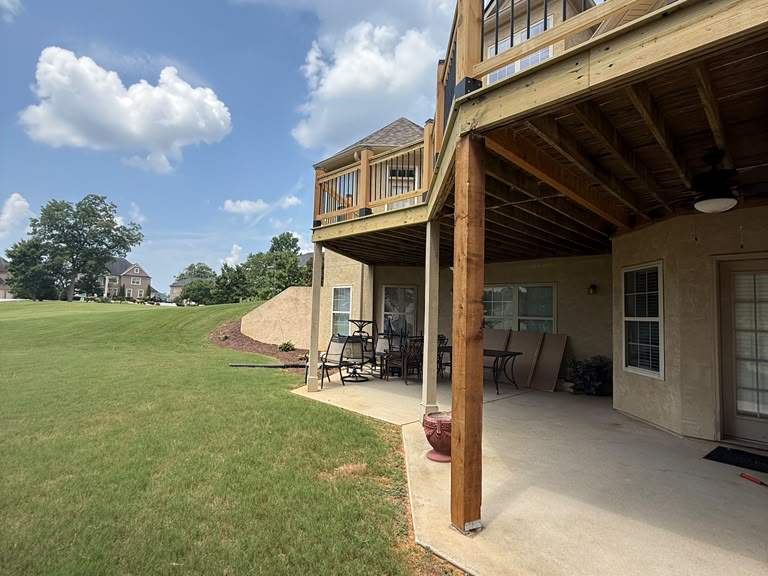
Owner-operated · Homeowner guide · Acworth
Rot, Termites or Carpenter Bees? Reading the Damage on an Acworth DeckAcworth · Cobb County
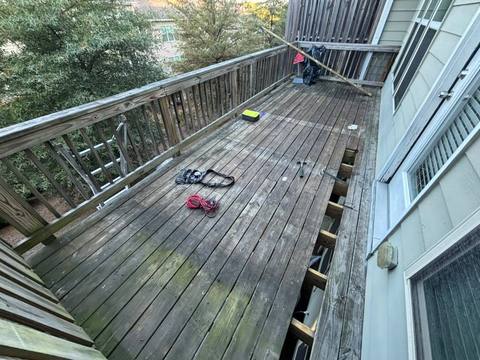
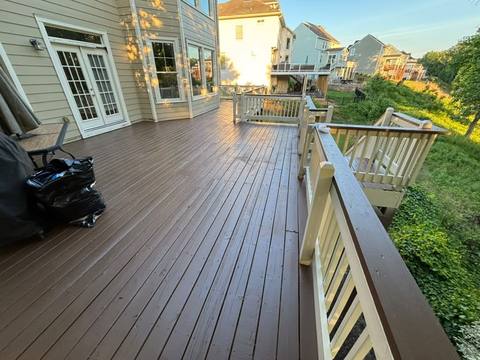
Acworth: You step onto your deck and notice a soft spot near the railing or a row of small holes in a board. Before you replace anything, it helps to know whether you are looking at rot, termites or carpenter bees, because each one calls for a different fix. Owner-operated, with a free written estimate.
Free estimate · opens your texting app · no forms needed
Get a fast estimate
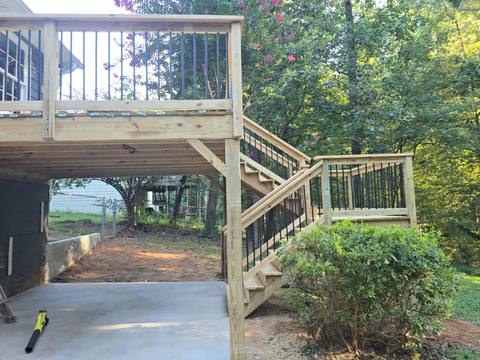
★★★★★ 31 Google reviews as of Nov 2026 — “Great workmanship, fair pricing, and excellent customer service.” Read reviews
- Free written estimate within one day
- General liability coverage
- Crews with 10+ years of combined experience
- Owner on every job
- Text us (470) 863-3707
Homeowner guide · Acworth
Is it rot, termites or carpenter bees chewing my deck?
A deck in Acworth can lose strength quietly, and telling decay from insect activity comes down to reading the texture of the wood, the shape of any holes and where the damage sits.
- Owner-operated: Breno visits and writes your estimate himself
- A team with 10+ years of combined experience
- Insured with general liability coverage
- 31 Google reviews as of Nov 2026, rated 5.0
- Before-and-after photos from our own completed jobs
Acworth
Look Close at the Surface
Start by examining the deck boards themselves especially in shaded or damp areas like the north side or under planters. Rot often shows as discoloration—dark brown or black streaks—and the wood feels spongy when you press it with a screwdriver or awl. Insect damage tends to look different: termites leave behind hollowed-out wood with mud tubes or sawdust-like frass while carpenter bees make clean round holes about the size of a pencil eraser and leave coarse sawdust piles below. Check the ends of boards and where they meet joists as these spots trap moisture and attract both rot and bugs. If the surface feels solid but you see small exit holes or tunneling just beneath the paint or stain it’s likely insect activity not decay. Always probe gently—rotted wood gives way easily while sound wood resists even if insects have tunneled inside.
Acworth
Check the Frame and Ledger
The real story is often hidden in the frame—the joists beams and especially the ledger board where the deck attaches to the house. This area matters most because it carries the load and is hardest to replace. In Acworth’s wooded suburban setting moisture lingers here longer increasing rot risk especially if flashing is missing or damaged. Probe the ledger and nearby joists with a tool—if they feel soft crumbly or darken when wet rot is likely the culprit. Insect damage here is less common but still possible—termites may build mud tubes on concrete foundations or along the sill plate while carpenter bees might nest in exposed ends of pressure-treated lumber. If the ledger is solid but surface boards show damage focus on surface repairs or staining. If the frame is compromised safety comes first and we recommend a full inspection before any stain or repair work.
How it works
Five steps. No surprises.
Call, text, or send the form
Tell us what is going on: a new deck, a repair, or “not sure yet.” We reply the same day.
Free on-site visit
Breno looks at the deck or the yard himself, measures, and goes over your options with you.
Written estimate
Scope, materials and price come in writing, so you know the plan before anything starts.
Schedule and permits
We agree on a start date and confirm any city, county or HOA requirement for your address first.
Build and final walk-through
Breno is on the job, and we go over the finished work with you before we call it done.
Real B&T work
Photos from real jobs

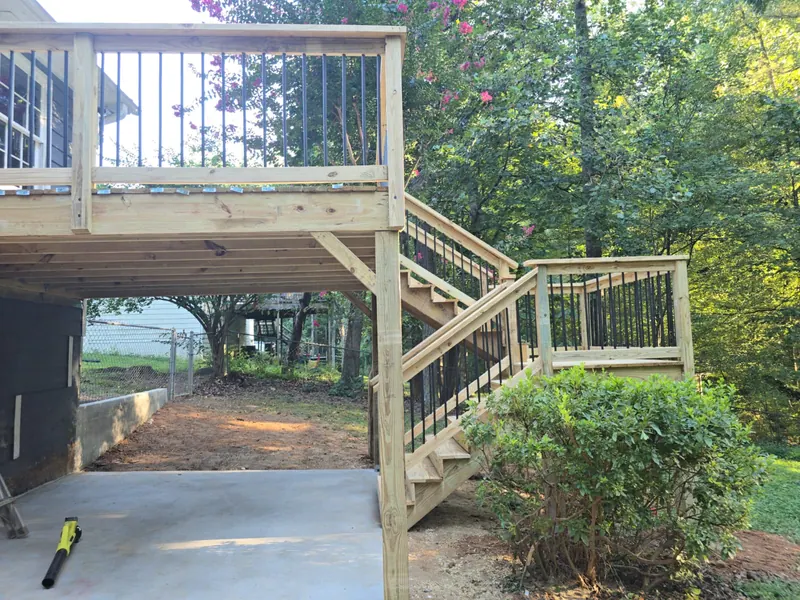

Real photos from B&T projects in North Georgia, not necessarily from Acworth.
Acworth
What to Photograph for Clarity
Take clear photos from multiple angles: close-ups of suspicious spots wider shots showing the pattern of damage and shots of the ledger and frame from underneath if possible. Include a common object like a coin or key for scale—this helps us tell if holes are bee-sized or termite-related. Shoot in daylight with the flash off to avoid glare and capture true color and texture especially important when distinguishing rot stains from insect frass. Also photograph any mud tubes frass piles or sawdust and note whether the damage is isolated or widespread. Photos from different times of day can reveal moisture patterns—damp areas after rain often point to rot while dry sunny spots with holes suggest bees. These images help us diagnose accurately before visiting your Acworth home and planning the right fix.
Acworth
Why Location on the Deck Matters
Damage near the ground or in shaded corners where leaves collect is more likely rot due to trapped moisture and poor airflow. Conversely damage high up on railings or the tops of posts often points to carpenter bees who prefer sunny untreated wood for nesting. Termites usually stay hidden but may emerge near soil contact or along foundation walls especially in older in-town blocks near downtown Acworth where homes have settled over time. In larger subdivisions with newer decks we often see surface-level bee damage while older decks near Lake Acworth or stream buffers show more rot from prolonged wet periods. Knowing where the damage appears helps us narrow the cause fast. Always mention the location when you describe the problem—it saves time and leads to a better solution.
Get a fast estimate
Acworth
When to Call for a Professional Look
If probing reveals soft wood that crumbles easily or if you see mud tubes frass or numerous exit holes it’s time to get a professional opinion. We offer free written estimates and Breno visits in person to assess your deck’s condition—no guesswork. We check not just the surface but the critical frame and ledger to tell you whether repair replacement or staining is the right path. If a repair turns into a rebuild, deck permits in Acworth go through the City of Acworth building department, and many neighborhoods have an HOA with its own architectural review, so check with your association too. We serve homeowners across Cobb County, from neighborhoods off Cobb Parkway and near I-75 to Kennesaw and East Cobb, and we confirm what applies to your address before scheduling any work. A quick visit now can prevent bigger issues later and keep your deck safe and enjoyable for years to come.
Straight answers
Acworth homeowner questions
What does termite damage look like on a pressure-treated deck in Acworth?
Termite damage often appears as hollowed wood with a honeycomb pattern inside and may include mud tubes on concrete or wood surfaces. You might see fine sawdust-like frass but not always—termites can stay hidden for long periods.
Can carpenter bees come back to the same hole year after year?
Yes carpenter bees often reuse old nesting holes and may expand them over time. They prefer untreated or weathered wood and will return if the surface is not sealed or painted.
Is surface rot always visible on the top of the deck boards?
Not always—rot can start underneath or at the ends where water sits and may not show until the wood feels soft when probed from below or the side.
Does staining prevent both rot and insect damage?
Staining helps repel moisture which slows rot and can deter carpenter bees who prefer bare wood but it does not stop termites who tunnel inside regardless of finish.
How does Acworth’s tree protection rule affect where I can build a deck?
Acworth's code references tree protection and stream buffers, so a wooded lot or a creek behind the house can affect where a new or rebuilt deck may go. What applies depends on your address, so confirm it with the City of Acworth building department before you settle on a layout.
Should I worry about small holes in my deck railing near Lake Acworth?
Small round holes with coarse sawdust below often mean carpenter bees especially in sunny spots—probe the wood nearby to see if it’s still solid.
Can I repair just the rotted boards without touching the frame?
Only if the frame ledger and joists are sound—if they’re soft or compromised replacing boards alone won’t fix the structural issue.
Why do decks in older in-town Acworth blocks seem to rot faster?
Older homes may have settled altering drainage and shaded yards with mature trees hold moisture longer increasing rot risk on decks and framing.
Verified Google reviews
What the neighbors are saying
These are verified Google reviews from B&T customers.
★★★★★
“Outstanding service! Breno is knowledgeable, honest, and takes pride in his work. It's hard to find a company this reliable these days.”
★★★★★
“The quality of the work was exceptional. The team was friendly, responsive, and made sure everything was done right. I would definitely recommend B&T Properties.”
Who’s doing the work
About B&T Properties
B&T Properties is run by Breno, who visits the job, writes the estimate and stays involved until the work is done. The crew has 10+ years of combined deck experience, and the company carries General Liability insurance. We work in Acworth and across Cobb County.
Upgrades
Upgrades worth asking about
Thinking beyond the basics? Mention any of these at your free estimate and Breno will go over what makes sense for your home.
Multi-level layouts
A split-level layout that works with the lay of your lot instead of fighting it.
Cover or screens
Add a roof over part of the deck, or screen it in for shade and fewer bugs.
Lighting
Low-voltage LED lights on stairs, posts or under the rail cap for evenings outside.
Stairs and landings
Wider steps, a landing, or a second set of stairs down to the yard.
Written warranty
1-year workmanship warranty
One year, in writing, on our labor from the completion date. If our own workmanship is why something fails, B&T Properties makes it right at no cost to you. Materials fall under the manufacturer’s warranty; wear, weather, misuse, neglect and third-party work are not covered. Request service in writing.
Free written estimate
Tell Breno about your Acworth deck — free and in writing.
No call center, no sales rep — the person who answers is the person who does the work.