Owner-operated · Homeowner guide
Why Are There Gaps Between Deck Boards, and How Wide Should They Be?Homeowner guide · Georgia decks
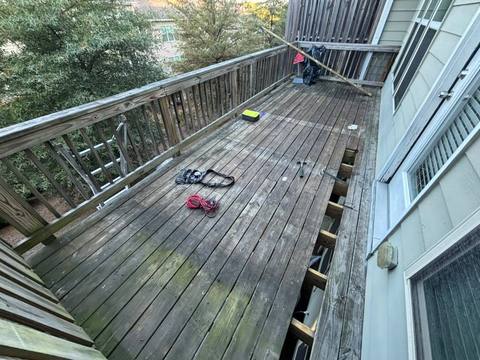
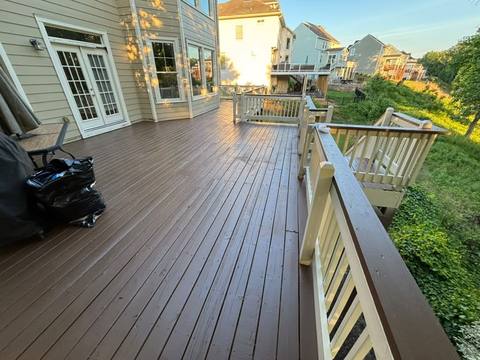
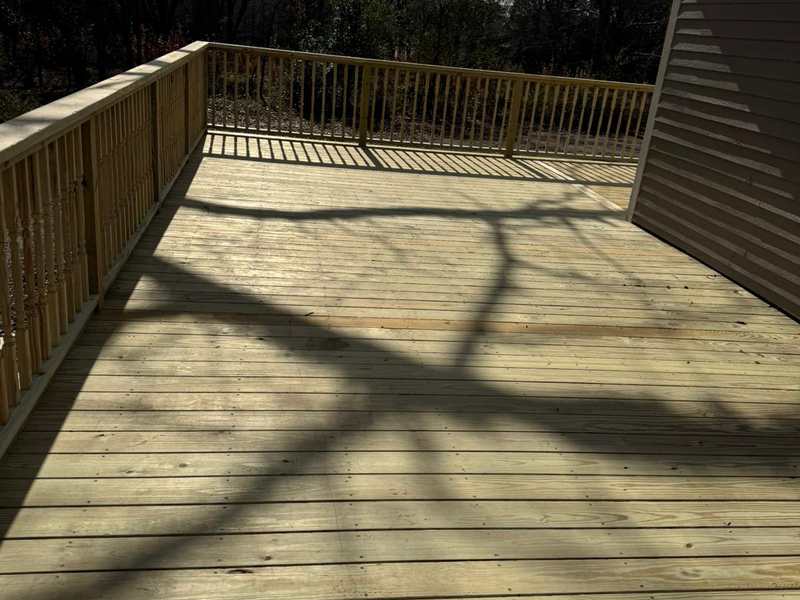
Why Are There Gaps Between Deck Boards, and How Wide Should They Be? Deck boards are spaced apart so water can drain, air can move, and the wood has room to swell and shrink as the weather changes.
Free estimate · opens your texting app · no forms needed
Get a fast estimate
★★★★★ 31 Google reviews as of Nov 2026 — “Great workmanship, fair pricing, and excellent customer service.” Read reviews
- Free written estimate within one day
- General liability coverage
- Crews with 10+ years of combined experience
- Owner on every job
- Text us (470) 863-3707
Homeowner guide
Why Are There Gaps Between Deck Boards, and How Wide Should They Be?
Short answer: The right gap is narrow enough to be safe underfoot and wide enough to work through every season, and it depends on the board and how dry it is.
- Breno, the owner, measures and writes your estimate
- 10+ years of combined team experience
- General liability insurance
- 5.0 stars from 31 Google reviews as of Nov 2026
- Real before-and-after photos from our own jobs
Guide
Why are there gaps between deck boards?
A deck lives outside, so it gets rained on, snowed on, baked by the sun and soaked by humidity. A tight, gap-free surface would hold water on top and trap moisture against the framing below. The small space between boards lets rain run through instead of sitting in puddles, and it lets air reach the edges and undersides of each board so the wood can dry out between storms.
Those gaps also protect the boards from each other. Wood is never perfectly still, and boards pressed tightly together have nowhere to go when they grow. Homeowners near Lake Acworth and around downtown Acworth often tell us they assumed the gaps were a sloppy habit of the builder. They are actually one of the most deliberate details on the whole deck.
Guide
How does swelling and shrinking change the gaps?
Wood takes on moisture from the air and from rain, and when it does, it swells across its width. When it dries, it shrinks back. A board that looks snug on a damp morning can pull away from its neighbor after a dry, hot stretch. That is why a gap you set in one season will not look the same in another.
Because of this movement, a builder has to think about the worst case, not just the day of installation. If boards swell with no room, they can push against each other, lift, cup, or loosen fasteners. If they shrink too far, the gaps open wider than anyone wanted. Good spacing leaves room for the swelling while keeping the shrunken gaps reasonable.
How it works
Five steps. No surprises.
Call, text, or send the form
Tell us what is going on: a new deck, a repair, or “not sure yet.” We reply the same day.
Free on-site visit
Breno looks at the deck or the yard himself, measures, and goes over your options with you.
Written estimate
Scope, materials and price come in writing, so you know the plan before anything starts.
Schedule and permits
We agree on a start date and confirm any city, county or HOA requirement for your address first.
Build and final walk-through
Breno is on the job, and we go over the finished work with you before we call it done.
Real B&T work
Photos from real jobs


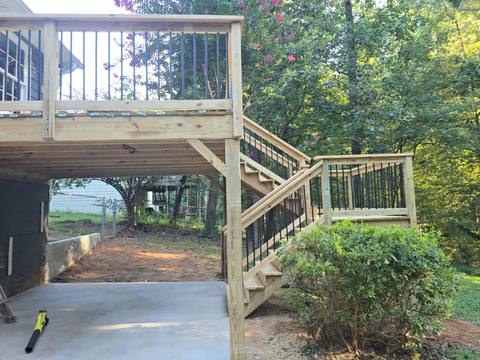
Real photos from B&T projects in North Georgia.
Guide
Why is wet lumber spaced differently from dry?
Lumber that comes off the truck wet, or that has been stored in the weather, is already swollen with moisture. As it sits on the deck and dries, it will shrink, so boards laid tight together will open up into noticeable gaps later. For that reason, wet boards are usually laid with a smaller gap, expecting the wood to give up its water and open the space on its own.
Dry lumber is the opposite. It is at the small end of its size, and once rain and humidity reach it, it will grow. Dry boards need a wider starting gap so they have somewhere to expand. A builder who treats wet and dry boards the same way is setting the deck up for trouble. We check how dry the material is before we decide on spacing.
Guide
Do gaps cause trouble with heels, pets and debris?
A gap that is too wide can catch the thin heel of a dress shoe, the tip of a cane, a table leg, or a small dog's paw. It can also let small things fall through, like earrings, bottle caps, pencils and chunks of leaves that then collect under the deck. Nobody wants to crawl beneath the boards to retrieve a lost key, and a wider gap makes that much more likely.
A gap that is too tight causes a different mess. Pine needles, pollen and dirt pack in and hold water, which encourages rot and mildew in the tight spots. Homes close to Cobb Parkway or I-75 may see more dust settling on boards, and any grit that gets wedged in a narrow gap tends to stay. Regular sweeping through the gaps helps.
Guide
How do I know if my deck gaps are right?
Walk the deck and look. Gaps that are very uneven, boards that touch, or gaps that have opened wide enough to catch a shoe are all signs worth noticing. Standing water on the surface after a rain, dark stains between boards, and lifting edges can mean the spacing is off or debris has filled the gap. Look underneath too, if you can, for damp framing.
If something looks wrong, Breno visits in person, looks at the boards, the framing and how the deck drains, and explains what is going on. Sometimes a good cleaning is enough, and sometimes boards need to be refastened or replaced. Permits and neighborhood association rules depend on your address, so confirm those with the city, the county or your association. A free written estimate is available from B&T.
Get a fast estimate
Local notes
Around Acworth and Kennesaw and nearby
Acworth. Acworth's zoning and tree rules call for tree protection measures and reference stream buffers, wetlands and undisturbed areas. A wooded lot or a creek behind the house is something we check before laying out a deck. Communities in the area include downtown Acworth, Lake Acworth.
Kennesaw. Kennesaw's city code includes stream buffer requirements and landscape buffer standards, which can affect how close a deck can be to a creek or property line. We check those constraints before pricing. Communities in the area include Legacy Park, Ridenour, Pinetree Country Club, the Kennesaw Mountain area.
Woodstock. Woodstock is a suburban North Georgia city of established subdivisions with mature trees and, in some older neighborhoods, larger lots. Shade and fallen leaves keep wood damp longer, which matters for both framing and board choice. Communities in the area include Towne Lake, Eagle Watch, Wyngate, Bradshaw Farm.
Straight answers
Common questions
Will a deck with no gaps at all hold up?
Not well. Boards laid tight together trap water on the surface and against the framing, and they have no room to swell. Over time that can mean cupping, lifting, loose fasteners and rot. A little deliberate space lets water drain and lets the wood move without damaging itself or its neighbors.
Why did my gaps get bigger over the summer?
Wood shrinks as it dries. Long hot, dry stretches pull moisture out of the boards, so each one gets a little narrower and the gaps between them widen. This is normal movement, and the gaps often tighten up again when damp weather returns, as the boards take water back in.
Why did my boards get so tight after a rainy spell?
Wet weather makes boards swell across their width, which closes the gap. If they swell until they touch, there was probably too little room to begin with, or the boards were installed while very wet and then shrank. Boards pressing together can push fasteners loose, so it is worth a look.
Does the gap size depend on the kind of board?
It can. Different boards swell and shrink by different amounts, and some are made to stay more stable than others. Manufacturer instructions matter, and so does the board's moisture when it is laid. We pick the spacing for the material in front of us rather than using one habit for every deck.
Can I fix gaps that are too wide myself?
Sometimes, but be careful. Prying up and re-spacing boards can split ends or damage fasteners, and if boards have shrunk because they are dry, they may swell later and cause new problems. If only a few boards are off, a careful repair may work. For a whole deck, have someone look at it.
What should I do about things that fell through the gaps?
Let them be if they are harmless, but clear any wet leaves or debris that collect, since they hold moisture against the framing. A thin tool or stiff brush can clean the gaps from above. For lost valuables, a flashlight and a look from underneath is safer than prying boards up.
Are wide gaps a danger for small children and pets?
They can be. Small paws, toys and little fingers can catch in a gap that is too generous, and puppies sometimes chew at the edges. If your gaps have opened, watch the surface closely. A deck with a good railing and well-kept spacing is much easier to supervise than one with loose, uneven boards.
Will staining or sealing change the gaps?
It can help indirectly. A stain or sealer that slows how fast boards take on and lose water can reduce how much they swell and shrink, so the gaps stay steadier. But stain will not rescue boards that were laid wrong, and it can bridge or clog gaps if applied thickly, so brush it carefully.
Do gaps matter when replacing only part of a deck?
Yes. New boards are often at a different moisture level than the old ones, so they will move differently. If they are laid with the same gap as neighboring weathered boards, you can get a patch that looks uneven or fits too tightly. We match the spacing to the new material and what the old boards are doing.
Verified Google reviews
What the neighbors are saying
These are verified Google reviews from B&T customers.
★★★★★
“If you're looking for a trustworthy contractor, B&T Properties is the right choice. Great workmanship, fair pricing, and excellent customer service.”
★★★★★
“Breno did an excellent job repairing my home. He was professional, reliable, and paid close attention to every detail. The quality of his work exceeded my expectations…”
Who’s doing the work
About B&T Properties
Owner-operated by Breno. Collectively, our team brings 10+ years of deck-building experience, and B&T Properties carries General Liability insurance. Serving Acworth and the rest of Cobb County.
Upgrades
Upgrades worth asking about
Thinking beyond the basics? Mention any of these at your free estimate and Breno will go over what makes sense for your home.
Stairs and landings
Stairs that are easier to use: more width, a mid-level landing, or a better path to the yard.
Multi-level layouts
Step down a sloped yard with separate levels for dining and lounging.
Lighting
Low-voltage LED lights on stairs, posts or under the rail cap for evenings outside.
Cover or screens
Shade, rain cover or screens, planned in from the start.
Written warranty
1-year workmanship warranty
One year, in writing, on our labor from the completion date. If our own workmanship is why something fails, B&T Properties makes it right at no cost to you. Materials fall under the manufacturer’s warranty; wear, weather, misuse, neglect and third-party work are not covered. Request service in writing.
Free written estimate
Ask Breno about your deck — free and in writing.
No call center, no sales rep — the person who answers is the person who does the work.