Owner-operated · Homeowner guide
How to Add Privacy to a Deck Without Closing It InHomeowner guide · Georgia decks
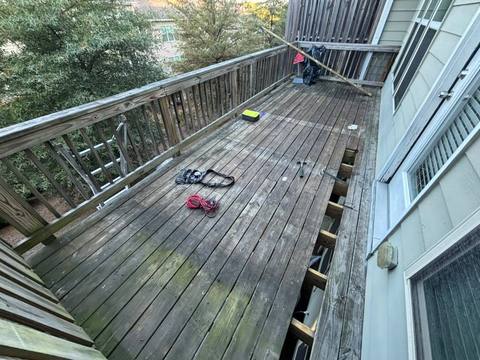
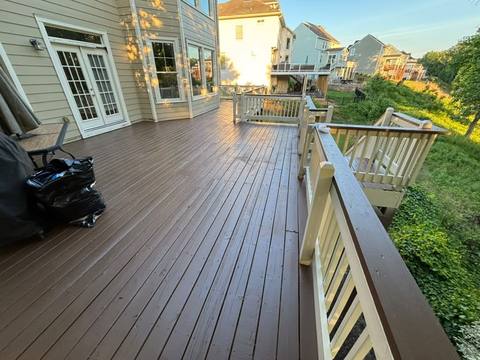
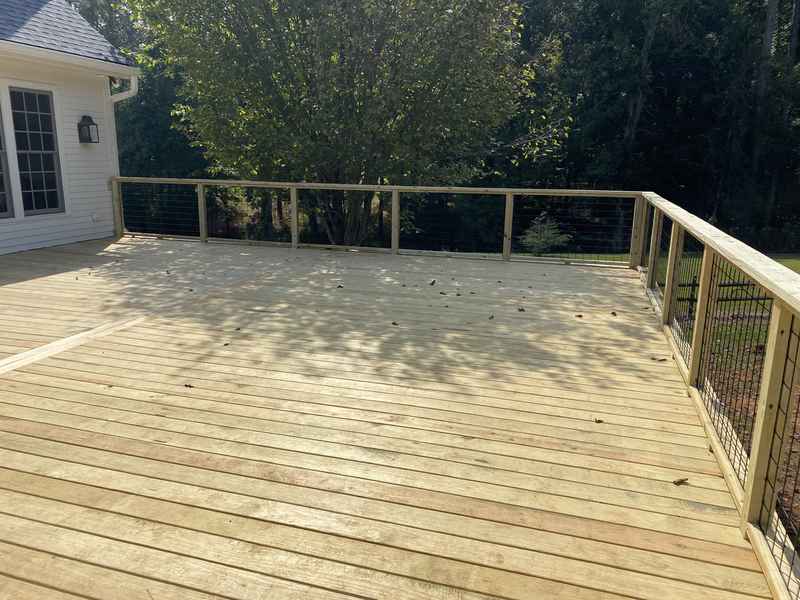
How to Add Privacy to a Deck Without Closing It In You sit down with your morning coffee and notice a neighbor's window looking straight at your chair, so how do you add privacy without making the deck feel closed in?
Free estimate · opens your texting app · no forms needed
Get a fast estimate
★★★★★ 31 Google reviews as of Nov 2026 — “Great workmanship, fair pricing, and excellent customer service.” Read reviews
- Free written estimate within one day
- General liability coverage
- Crews with 10+ years of combined experience
- Owner on every job
- Text us (470) 863-3707
Homeowner guide
How to Add Privacy to a Deck Without Closing It In
Short answer: The best answer is usually a few partial screens, planters, overhead structure and smart placement that block the problem sightline while leaving light and breeze alone.
- Breno, the owner, measures and writes your estimate
- 10+ years of combined team experience
- General liability insurance
- 5.0 stars from 31 Google reviews as of Nov 2026
- Real before-and-after photos from our own jobs
Guide
Start With the Sightline, Not the Wall
Privacy problems are rarely about the whole deck. Usually one or two sightlines cause the trouble: a second-story window next door, a gap between houses, or a path where people walk by. Before building anything, sit in your usual chair and note exactly where eyes land. Whether your home is near Towne Lake Parkway or off Trickum Road, one well-placed panel can solve more than a long wall ever would. Marking those spots first lets you cover a small area instead of fencing in the entire deck, which keeps the open feeling you wanted in the first place.
Angled placement helps too. Sun and sightlines change through the day and through the seasons, so look at the deck in the morning and again in the evening. Leaves on mature trees can hide a view in summer that returns in winter. If a deck is still in the planning stage, turning a seating area a little away from the neighbor, or tucking it into a corner of the footprint, can give privacy with no screen at all. For an existing deck, moving furniture is a free test. Breno visits in person to stand on the deck and see these lines for himself.
Guide
Partial Screens and Lattice-Style Panels
A partial screen blocks the problem sightline and leaves the rest open. Think of a panel at one end, or a short section beside the seating area, rather than a solid run along the whole rail. Slatted panels with gaps between boards break up the view while letting a breeze through. Tighter gaps give more privacy, and wider gaps give more air. Staggering two panels so they overlap often works well, because the eye reads depth instead of a wall. We can build these to match the deck framing so they look planned rather than added later.
Lattice-style panels are a classic choice because they filter rather than block. They cast soft patterned shade, let air move, and can support climbing vines. The trade-off is that a thin panel offers only partial privacy, and from a nearby window a person may still see shapes moving. Lattice also needs solid framing, because a tall panel can catch wind like a sail. Wood panels in damp, shaded spots tend to hold moisture, so sealing them and leaving room for air behind them matters. Choose a style that suits the house, and keep it just tall enough to cover a seated person.
How it works
Five steps. No surprises.
Call, text, or send the form
Tell us what is going on: a new deck, a repair, or “not sure yet.” We reply the same day.
Free on-site visit
Breno looks at the deck or the yard himself, measures, and goes over your options with you.
Written estimate
Scope, materials and price come in writing, so you know the plan before anything starts.
Schedule and permits
We agree on a start date and confirm any city, county or HOA requirement for your address first.
Build and final walk-through
Breno is on the job, and we go over the finished work with you before we call it done.
Real B&T work
Photos from real jobs


Real photos from B&T projects in North Georgia.
Guide
Planters, Trees and Living Cover
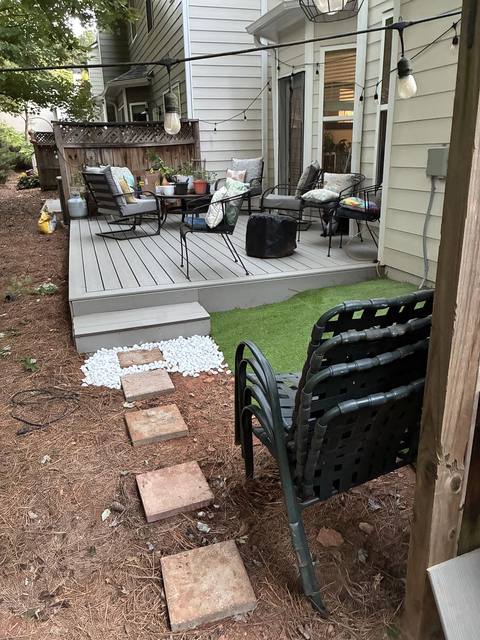
Planters give privacy that feels friendly. A row of tall planters along one side, filled with upright grasses or evergreen shrubs, creates a soft edge without any wall. Planters also move, so you can rearrange them as seasons change or as plants grow. Keep in mind that full planters are heavy, and wet soil is heavier, so they should sit over framing that can carry the load rather than in the middle of an open span. Drainage matters as well, since standing water under a pot can keep boards damp. Small feet under each planter let air and water pass beneath.
Trees can do some of the work already. Woodstock is a city of established subdivisions with mature trees, and if your home is near Bradshaw Farm or in Eagle Watch, a trunk or canopy in the right spot may already block part of a view. Shade and fallen leaves keep wood damp longer, so sweep often and keep boards dry. Woodstock's city code includes a tree ordinance and stream buffers that are meant to stay undisturbed, so a creek or large tree near the deck can shape the layout. We look at that before we plan anything.
Guide
Pergola, Light and Airflow
A pergola adds a sense of enclosure overhead without closing the sides. Open rafters frame the sky, cast patterned shade, and help block views from upper windows looking down onto the deck. You can add slats across part of the top, hang outdoor curtains that pull open and closed, or let a vine climb one post. Because the sides stay open, the deck feels like a room with a ceiling rather than a box. Placement matters: put the pergola over the seating area instead of the whole deck, so the rest keeps its open feel and gets full sun.
Light and airflow are what make a deck feel open, so protect them as you add privacy. A good rule of thumb is to screen the problem side and leave the rest alone. Solid walls can trap heat on summer afternoons and keep boards damp, while open slats let a breeze carry moisture away. If your home is within earshot of I-575, a denser panel on that side can soften some sound as well as sight, though it will not silence traffic. After any screen goes up, sit there at different times of day and see whether it still feels pleasant.
Guide
Trade-Offs, Permits and HOA Review
Every privacy option costs something in light, view, airflow or upkeep. Solid screens give the most privacy but feel the most closed. Plants feel natural but need watering and trimming. Pergolas add shade and structure but need sturdy posts and footings. Lattice is light and airy but offers less cover. Wind is a real factor, since tall panels push on posts and framing, so the deck structure should be checked before anything large is attached. If your deck already has soft boards or loose rails, repair comes first, because screens add load. We can look at that during a visit and offer a free written estimate.
Permits and HOA rules depend on your address, so confirm before building. Inside Woodstock, deck permits are handled by the City of Woodstock building department under Community Development, while homes just outside the city limits may be permitted by the county instead. Whether a screen, pergola or tall planter needs a permit is a question for the right office, so ask them. If your community has an HOA, its covenants can cover decks and screened structures, so read yours and ask the association about heights, materials and colors. Share your HOA name with us early and we will build the approval step into the schedule.
Get a fast estimate
Local notes
Around Woodstock and Canton and nearby
Woodstock. Woodstock is a suburban North Georgia city of established subdivisions with mature trees and, in some older neighborhoods, larger lots. Shade and fallen leaves keep wood damp longer, which matters for both framing and board choice. Communities in the area include Towne Lake, Eagle Watch, Wyngate, Bradshaw Farm.
Canton. Canton sits in the rolling Piedmont foothills of North Georgia, and a lot of backyards step down from the house instead of running flat. That changes how a deck is framed: taller posts, extra footings, and sometimes a landing partway down the stairs. Communities in the area include BridgeMill, Great Sky, Laurel Canyon, River Green.
Holly Springs. The Holly Springs waterway buffer rule is worth knowing about: it generally calls for a 50-foot buffer plus an additional 25-foot impervious buffer where permanent structures are not allowed. A creek along the back of the lot can therefore limit where a deck may go. Communities in the area include Harmony on the Lakes, downtown Holly Springs.
Straight answers
Common questions
Will a privacy screen make my deck hotter in summer?
It can if the screen is solid and sits on the side the breeze comes from. Open slats, lattice-style panels and gaps near the floor let air keep moving. Screening only the problem side, instead of wrapping the deck, usually keeps afternoons comfortable. Sit out there at different times of day after it goes up.
Can climbing vines grow on lattice without hurting the wood?
Vines can hold moisture against wood, which tends to shorten the life of the panel, especially in shade. Leaving a little room between the vine and the deck, trimming regularly and sealing the wood help. Many people choose a freestanding trellis planter so the plant stays off the deck framing entirely.
How tall should a partial screen be?
Tall enough to cover a person's eyes while seated in the spot you care about, and not much more. Taller panels feel more closed and catch more wind. We usually mark the line in person with you sitting in your chair, then build to that sightline instead of guessing from a drawing.
Do planters still work if my deck sits low to the ground?
Yes, though the planters need to be tall enough to rise above the rail, and the plants need airflow around them. Low decks often face fence lines rather than windows, so a tall, narrow planter at one corner may be plenty. Keep soil and leaves from piling against the boards.
Will a pergola alone hide me from a second-story window?
Not always. A pergola with open rafters filters the view from above, but a person can still see through the gaps. Adding slats across part of the top, a shade panel, or a vine can improve cover. Think of the pergola as one layer, paired with a side screen where needed.
What if only one neighbor's view bothers me?
Then treat only that one side. A single angled panel, a cluster of tall planters or a short run of slats can fix a single sightline while leaving the other views open. Fixing one problem and leaving the rest is usually the best way to keep the deck feeling spacious.
Can privacy panels be removable or seasonal?
They can. Panels can be framed to lift out, and planters move on their own. Removable pieces let you open the deck up for gatherings or cooler months. They still need secure posts or brackets, because wind pushes hard on a panel. Ask your HOA whether removable panels are treated differently from fixed ones.
How does a creek or large tree near my deck affect screen plans?
It can limit where posts, footings and planters can go. Woodstock's city code includes a tree ordinance and stream buffers meant to stay undisturbed, so we look at the site before planning. Sometimes the tree itself becomes the screen, and the design simply works around it. Confirm details with the city for your address.
Should I contact my HOA before asking for an estimate?
Either order works, but do not wait until after building. Read your covenants, then share your HOA name with us early so we can build the approval step into the schedule. Associations may want a sketch, heights and colors. Because rules depend on your address, confirm with your association directly.
Verified Google reviews
What the neighbors are saying
These are verified Google reviews from B&T customers.
★★★★★
“If you're looking for a trustworthy contractor, B&T Properties is the right choice. Great workmanship, fair pricing, and excellent customer service.”
★★★★★
“Breno and his team exceeded our expectations. They were organized, efficient, and truly cared about delivering a high-quality result. We couldn't be happier.”
Who’s doing the work
About B&T Properties
You deal with the owner. Breno visits, quotes and oversees the work, and the crew brings more than ten years of deck experience between them. B&T carries General Liability insurance, and Woodstock is part of our regular service area.
Upgrades
Make it yours: popular upgrades
Planning a project in Woodstock? Bring up any of these at your free estimate. Changes are easier to plan on paper than on a finished deck.
Railing styles
Pick the rail that fits the house: aluminum, composite or wood, in several styles.
Multi-level layouts
Two levels can follow your slope and give dining and lounging their own space.
Stairs and landings
Wider steps, a landing, or a second set of stairs down to the yard.
Lighting
Soft LED lighting along the steps and rail, so the deck is usable after dark.
Written warranty
1-year workmanship warranty
B&T Properties backs the workmanship on every job for one year after completion, free of charge when the fault is ours. It does not cover material defects, natural wear, weather damage, misuse, a lack of upkeep or work by others. To claim, write to us and we will inspect.
Free written estimate
Ask Breno about your deck — free and in writing.
No call center, no sales rep — the person who answers is the person who does the work.